First published 12 December 2015 · revised and expanded 30 October 2026.
Oat, soy and coconut flours, yogurt and a little ghee: a loaf with no wheat at all.
A Let’s Wing It Production.
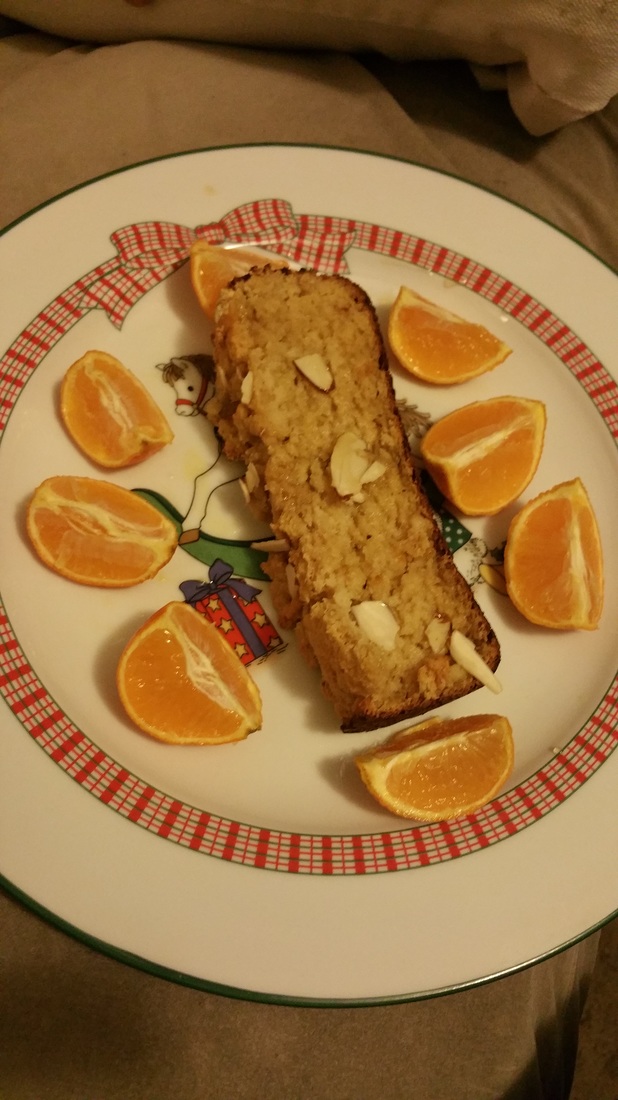
- Machine
- at least 1 hr 15 min, light setting
- Oven
- about 350–375 °F; check from 45 min
- Yeast
- about 2½ tbsp at altitude
- Verdict
- Tasty!
What you need
The flours
- about 1 cuporganic oats
- about 1 cuporganic soy flour
- about 1 cuporganic coconut flour
The rest
- about 2½ tbspbaking yeast if you are at altitude; less, I think, if you are not
- about 1 cuporganic yogurt
- 1–2 tbspghee or oil
- about 1 tbsporganic vanilla and/or almond extract optional
- about ¼ cuporganic sugar
- about ¼ cuporganic raisins optional
- about ¼ cuporganic almond slices optional
- 1egg optional
If gluten matters to you. Pure oats are gluten-free, but many oats are grown near wheat or processed on equipment that also handles wheat, barley and rye. For celiac disease, choose oats labeled gluten-free (ideally certified); a small percentage of people also react to avenin, the protein in oats themselves.2
Method
-
1 Mix the flours and yeast
Mix about 1 cup each of the flours. Then include about 2½ tablespoons of yeast (if you are at altitude; less, I think, if you are not).
-
2 Add the wet ingredients
Add about 1 cup of yogurt, 1–2 tablespoons of ghee or oil, and the egg if you are using one, along with about 1 tablespoon of the extract(s).
-
3 Add the sweet things and knead
Mix in about ¼ cup each of the sugar and the raisins and/or almond slices. Knead using your favorite method, by hand or in a bread maker.
-
4 Adjust
Add water if it is too dry, and extra flour of your favorite type if it is too wet. Making some previous loaves is probably the best way to know if either of those is happening.
-
5 Bake
Bake at least 1 hour and 15 minutes on the light setting in the bread maker, if that is what you are using. If you are using an oven, use the equivalent temperature. Godspeed in trying to find out what that is. (I think it might be around 350–375 °F.) If you are going this route, keep an eye out for doneness as soon as 45 minutes in.
-
6 Cool, then slice
Let it cool substantially before slicing.
Tasty!
The Āyurveda of the loaf
Most of this loaf would have been new to Vāgbhaṭa. Oats and soy are not among his grains (his yava is barley), and his breads are flatbreads, apūpa, cooked in an underground oven, on shards and pans, or on embers (Sū. 6.41–42). But several ingredients are old friends, quoted here from my translation of the Aṣṭāṅgahṛdayam.1 For the protein side of the title, see my USDA list of foods by protein per calorie.
The honey goes on cold bread
Honey, when hot, or consumed by one afflicted by heat, or in a hot season, or with hot substances, certainly kills.
Aṣṭāṅgahṛdayam, Sū. 5.53
Vāgbhaṭa is emphatic about heated honey, so the honey in the photograph belongs on a slice that has cooled, never in the dough. Cooling before slicing serves the honey too.
Yogurt
Curd (dadhi) is “heavy (guru), and hot (uṣṇa), conquers vāta” and is “appetizing” (Sū. 5.29–30). Vāgbhaṭa is particular about how it is eaten: “One should never eat it at night, nor when it is hot. One should not eat it in spring, summer, or autumn” (Sū. 5.31). Hemādri glosses “hot” as “heated by fire etc.,” which on its face covers baking. Against that, Aruṇadatta allows ghee cooked with curd, “because it becomes a different substance” (on Sū. 7.31). Whether a baked loaf counts as a different substance, the commentators leave to the cook.
Coconut, almonds, raisins
Coconut sits in Vāgbhaṭa’s group of rich fruits, which “are nourishing, heavy, cold … unctuous, constipating, and increase kapha and semen” (Sū. 6.119–122). Almonds are the named exception: “Vātāma (almond) and others are hot in potency, increase kapha and pitta, and are purgative” (Sū. 6.123). Raisins come from the grape, which he calls “the best among fruits” (Sū. 6.115). Ghee, the fat in the dough, is “the best among unctuous substances” (Sū. 5.39).
Curious about another ingredient? Ask Vāgbhaṭa answers from the same translation, with the verses quoted.
Sources
- Vāgbhaṭa, Aṣṭāṅgahṛdayam, in Vāgbhaṭa’s Aṣṭāṅgahṛdayam: A Full English Translation, tr. Renay Oshop (2026) with Aruṇadatta’s Sarvāṅgasundarā and Hemādri’s Āyurvedarasāyana. Loci quoted: Sūtrasthāna 5.29–31 (with Hemādri), 5.39, 5.53; 6.41–42, 6.115, 6.119–123; 7.31 (Aruṇadatta). Paperback pp. 13–14, 19, 23 (root text); commentaries quoted from the Kindle edition. In short quotations the translation’s parenthetical glosses are sometimes omitted.
- “Are Oats Gluten-Free? What People with Celiac Disease Need to Know,” Gluten Free & More, accessed 30 October 2026.
More recipes: Peanut Curry Poha · Proper Chai Tea · Mung Bean Pudding · Turnip and Asparagus Spring Soup · Haluska and Black-Eyed Peas · Butternut Squash with Goat Cheese and Dates · Dental Pain Herbal Tea